


How to choose heat-resistant glass for a luxury hotel – features and benefits
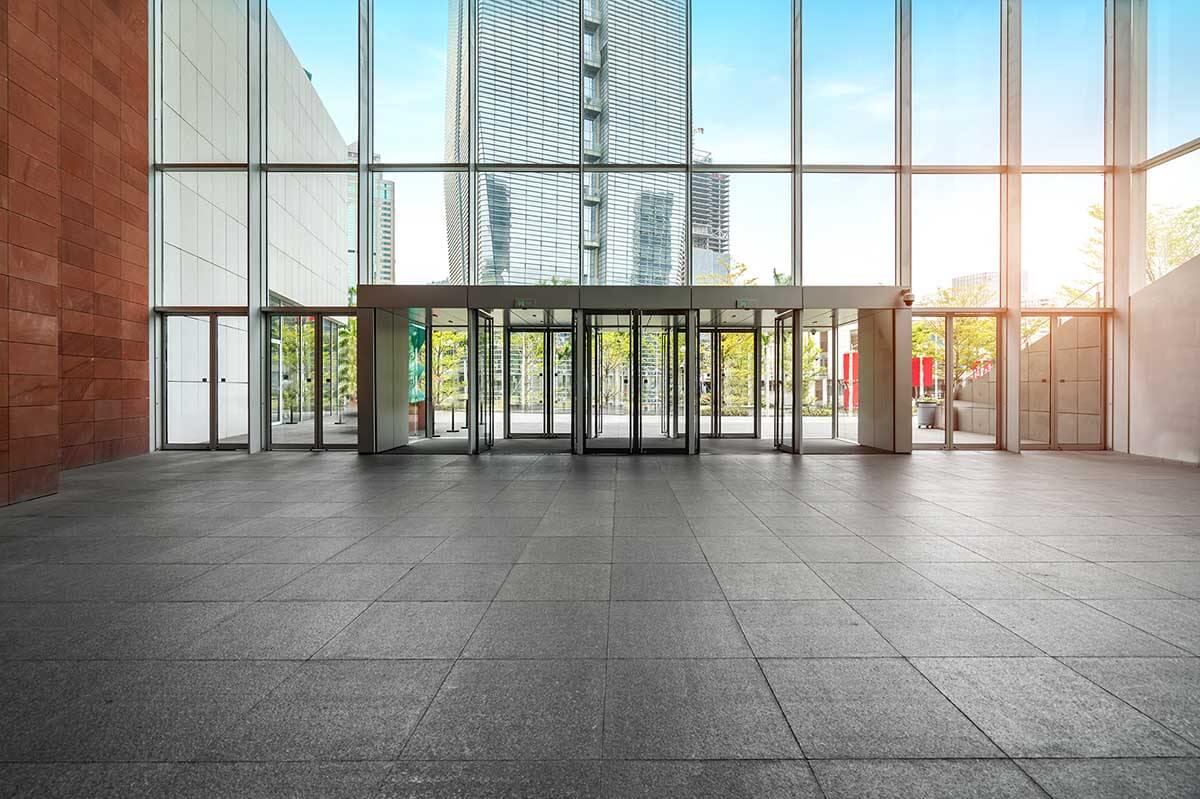
In a luxury hotel project, the choice of materials is not only about aesthetics but also about performance, durability and safety. Every component – from finishes to partitioning solutions – must meet high standards of quality and technical compliance. Glass, a key element in modern architecture, must be carefully selected, especially when exposed to extreme temperature conditions.
That’s why the term “heat-resistant glass” often appears in the technical specifications of hotel projects. In reality, however, this term is often incorrectly used to describe tempered glass – a product with increased resistance to thermal shock, but different from fire-resistant glass, which is certified to provide protection in the event of a fire. Choosing the right type of glass can significantly impact both the building’s safety and the perceived quality of the entire development.
Discover the main types of heat-resistant glass and the most suitable solutions for luxury hotels!
What is heat-resistant glass?
In everyday language, the term “heat-resistant glass” is often used to refer to tempered glass. This type of glass undergoes a controlled heating process at over 600°C, followed by rapid cooling, which gives it superior mechanical and thermal strength compared to standard float glass.
Key characteristics of tempered glass include:
• resistance to sudden temperature changes of up to approximately 200°C without cracking;
• in case of breakage, it shatters into small, blunt particles, reducing the risk of injury;
• ability to withstand intense mechanical and thermal stress, making it ideal for commercial environments or high-traffic areas.
If you’re wondering how to integrate tempered glass into the modern design of luxury hotels, here are a few innovative solutions for an impressive aesthetic impact:
• glazed façades exposed to strong solar radiation;
• interior or exterior glass railings, where safety is a priority;
• sliding doors and partition walls in lobbies, restaurants or spa centers;
• shower enclosures and wellness areas, where temperature variations are frequent.
However, if your goal is actual protection against flames, smoke, and/or thermal radiation in case of fire, you need a specifically certified product: fire-resistant glass.
Tempered glass vs. Fire-resistant glass – Key differences
In a hotel project, these two types of glass can be complementary but not interchangeable. The right choice depends on the function of each area and the specific safety requirements defined in the hotel’s design plan. As a professional, it’s essential to understand this distinction to avoid costly mistakes.
Tempered glass
• Thermal shock resistance: up to 200°C.
• Main function: mechanical and thermal protection in standard applications.
• Fire performance: does not belong to any fire-resistance class, but is certified as safety glass under European standard EN 12150.
• Typical applications: railings, interior doors, glazed partitions, façades, glass furniture.
Fire-resistant glass
• Certified fire resistance: classes E, EI, or EW (for example, EI30, EI60, EI120).
• Main function: maintaining integrity and limiting the spread of flames, smoke and heat.
• Certifications: tested according to European standards EN 13501-2.
• Typical applications: partitions between escape routes, corridors, elevators, professional kitchens or technical rooms.
Therefore, if your goal is to ensure fire protection in a specific area of the hotel – for instance, between the restaurant kitchen and the dining area – you’ll need fire-resistant glass, not just tempered glass.
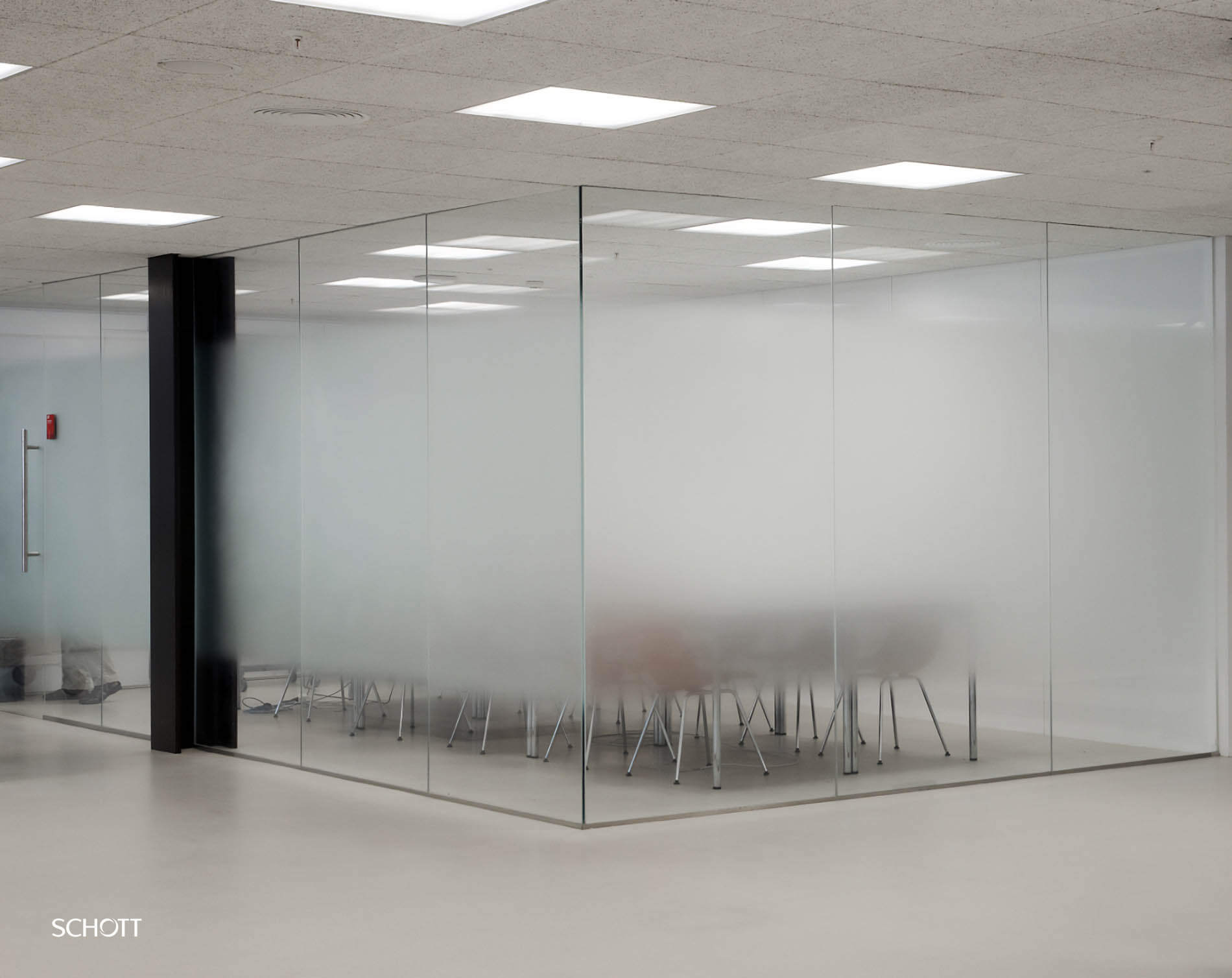
Types of fire-resistant glass recommended for premium hotels
At Transparent Design, two main types of fire-resistant glass are processed, each with distinct technical specifications and applications. The right choice depends on the project’s requirements and the desired level of protection.
Monolithic borosilicate fire-resistant glass
This type of fire-resistant glass has a monolithic structure (single layer) and is made from borosilicate glass, a material known for its dimensional stability at high temperatures.
Its fire-resistance class ranges from E30 to E120, where E (Integrity) represents the glass’s ability to prevent the passage of flames, hot gases and combustible smoke to adjacent areas for a specified period. More than half of all project-specific fire-resistance requirements are met using E-class fire-resistant glass.
Main advantages:
• high thermal shock resistance and excellent dimensional stability;
• lower weight compared to multilayer variants;
• clear transparency with no intermediate layers;
• easy maintenance and long service life.
Limitations:
• in most cases, this type of glass provides only E30–E120 fire resistance (integrity only);
• heat can still be felt on the non-exposed side.
Recommended applications:
• glass doors and partitions in corridors or escape routes;
• compartmentalization in technical or circulation areas;
• spaces where only fire integrity (without thermal insulation) is required.
Multilayer (laminated) fire-resistant glass
This fire-resistant glass is composed of multiple laminated layers of glass, between which are placed intumescent interlayers – substances that, when exposed to heat, expand into a protective shield forming an insulating barrier.
It is available in EI and EW fire-resistance classes:
• EI (Integrity + Insulation) – provides full protection against flames, smoke and heat transfer;
• EW (Integrity + Radiation Control) – combines fire integrity with reduced heat radiation, preventing adjacent spaces from overheating.
Main advantages:
• complete protection against flames, smoke and heat;
• maintains transparency for seamless integration into luxury projects;
• adaptable to complex glazed systems (walls, automatic doors, large partitions).
Recommended applications:
• escape corridors and high-traffic circulation areas;
• conference rooms, restaurants, and lobbies with intensive use;
• zones where safety regulations require EI30, EI60, or EI120 protection.
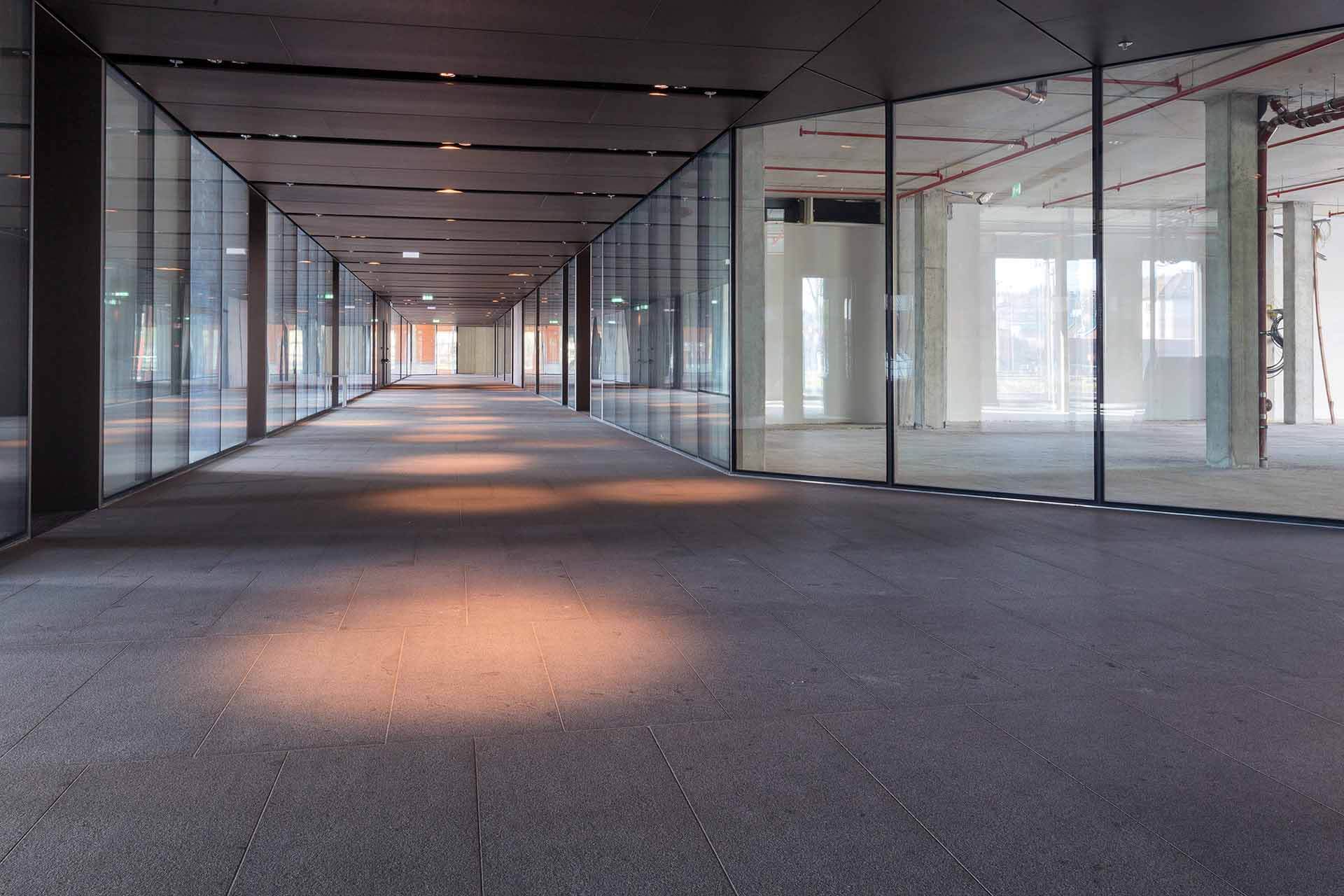
How to choose the right type of glass for a luxury hotel
When deciding which type of glass to use in a premium hotel, you should take the following factors into account:
- Purpose of the space– technical areas and evacuation routes require fire-resistant glass, while relaxation zones, guest rooms or the reception area can be glazed with tempered glass.
• Compliance requirements– 4 and 5 star hotel projects are subject to strict fire safety standards, as mandated by both national and European regulations.
• Architectural design – the glass must align with the overall concept, emphasizing transparency, brightness, elegance and comfort.
• Maintenance level – in public spaces, durability and ease of cleaning are key.
• Budget and energy efficiency – in certain areas, you can combine fire-resistant glass with other processed glass types (such as laminated or ceramic-printed glass) to achieve the ideal balance between safety and aesthetics.
You can find details of laminated glass and tempered glass, helping you choose the right solution for your construction projects, interior design applications or other architectural uses.
Benefits of using high-performance glass in hotel projects
Choosing the right type of heat-resistant glass brings tangible benefits that fully justify the investment in large-scale hotel projects. Here are the main advantages of this type of glass for premium developments:
- Certified safety: compliance with European standards and reduced risk in the event of a fire. According to Civil Protection Regulations (NPC), these products provide additional evacuation time, minimizing both legal and reputational risks for hotel owners.
• Elegant, aesthetic design: the transparency of glass ensures visual continuity and enhances the brightness of interior spaces – a defining feature of luxury. Think of double-height atriums where borosilicate glass captures and reflects natural light beautifully.
• Durability: resistance to thermal shock and temperature variations helps reduce maintenance costs in high-traffic environments.
• Design flexibility: compatible with glazed systems, automatic doors, partition walls and glass railings.
• Added brand value: an investment that reinforces the hotel’s premium image, associating it with safety, sophistication and quality.
Final recommendations for designers and developers
When selecting glazing solutions for a luxury hotel, it is essential to work with a processor capable of providing full expertise and certified products. Transparent Design operates its own equipment for cutting, laminating, tempering and ceramic printing, ensuring complete control over the manufacturing process.
For areas with high fire-safety requirements, monolithic borosilicate glass (E30–E120) is an efficient and elegant solution. Conversely, where thermal insulation (EI/EW) is also required, multilayer fire-resistant glass represents the optimal choice.
It is important to remember that fire-resistant glazing is always a system solution. Fire performance does not depend solely on the type of glass used but on the entire assembly in which it is installed. Only the correct integration of all components ensures the necessary integrity and insulation in critical situations. Therefore, to guarantee compliance and functionality, every element — the frame, fixing profiles, sealants and installation method — must be fire-rated and certified according to the specified protection class (E, EI, or EW).
By combining these products with other types of premium glass – such as laminated, tempered or ceramic-printed glass — you can create spaces that meet safety standards without compromising the elegance and refinement of a luxury hotel.
For technical guidance, explore our range of glass products and get in touch with our team – we are ready to support your project with local expertise and complete processing capabilities.