


How to integrate tempered glass into the modern design of luxury hotels
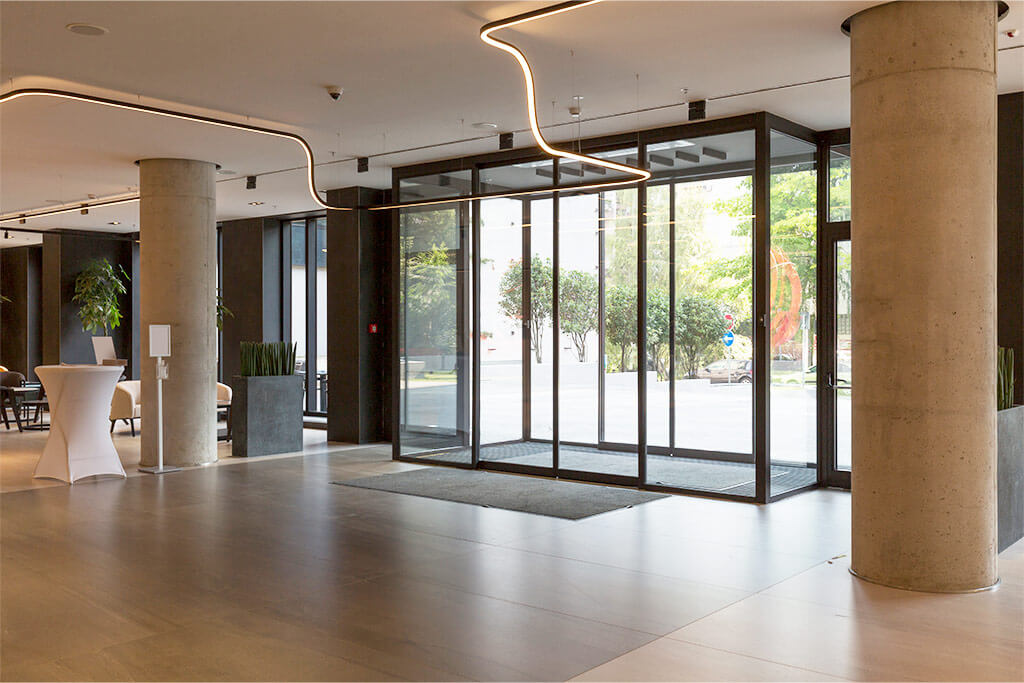
Glass is increasingly present in hotel projects, redefining spaces through the transparency and natural brightness it provides. It allows natural light to enter building interiors, creating bright, airy and more pleasant spaces, thus reducing the need for artificial lighting during the day and contributing to a healthier and more comfortable environment.
Thanks to its characteristics, it enhances both safety and elegance, turning interiors into true focal points. And to make it even safer, it can be tempered. If you are an architect or developer, you will discover that this material offers innovative solutions for impactful design.
Integrating tempered glass into the facades of luxury hotels
The facades of luxury hotels can be made from safety glass (tempered and/or laminated glass), which has become the standard for glazed facades due to safety, strength and performance requirements (such as wind loads, impact from solid objects, seismic loads, and minimizing the risk of injury).
Tempering the glass contributes to structural stability and protects the building against impact. For a distinctive visual effect, you can opt for printed-tempered glass, which allows for the customization of facades with graphic patterns or branding elements. This solution gives the hotel a strong visual identity, helping it stands out through unique design.
The patterns applied to the glass can feature subtle shades or complex images, tailored to the architectural concept. The technology used ensures high resistance to environmental factors and long-term color durability.
The use of tempered glass in hotel receptions
The hotel reception is the first point of contact for guests, and the use of tempered glass transforms the space into an elegant and welcoming area. For reception counters and protective panels, you can opt for laminated-tempered glass, which allows for discreet separation of areas while maintaining a sense of openness and brightness. Choosing a durable material helps preserve a flawless appearance over time.
If you’re aiming for a sophisticated design, you can choose enameled-tempered glass in customized shades, integrated into the reception area, furniture or decorative walls. The available options contribute to a refined atmosphere that complements the hotel’s contemporary style. Enameled glass can be produced at Transparent Design’s factory in any RAL color, offering a wide range of options for interior spaces.
For a memorable visual impact, you can use printed-tempered glass for decorative panels in the reception area. Technology allows you to incorporate graphic designs inspired by the hotel’s visual identity. The ceramic digital print applied to the glass ensures high resistance to wear and preserves the original design over time. It is an excellent option if you want to create a unique décor tailored to the personality of the location.
Tempered glass partitions for common areas
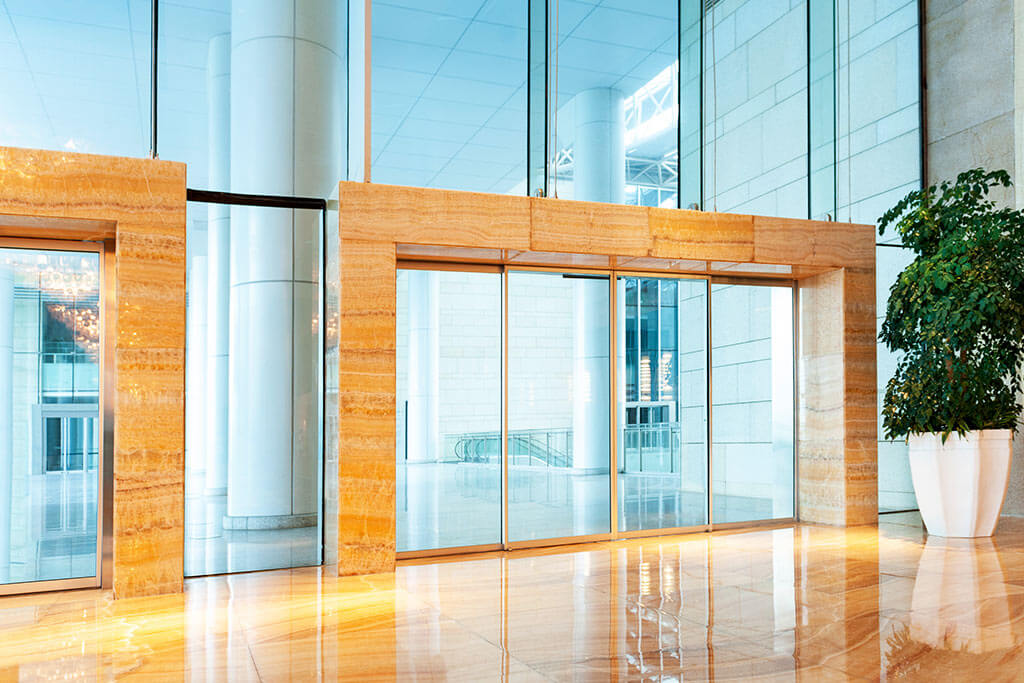
The common areas of luxury hotels can be elegantly divided using laminated-tempered glass partitions.
For example:
• Lounges designed for socializing can be separated from relaxation zones with glass panels, maintaining an organized and comfortable environment;
• Multifunctional conference rooms can be partitioned with this type of glass, allowing the space to be adapted for various types of events;
• Wellness and fitness areas can include laminated-tempered glass walls to separate treatment and workout zones;
• Hotel restaurants and bars can use partitions made from this material to divide private areas from those accessible to all guests;
• Hallways and main corridors can be efficiently organized by integrating laminated-tempered glass panels, creating clearly defined paths for guest circulation.
For a refined visual effect, you can choose printed-tempered glass with subtle patterns or designs that mimic sandblasting. These options can be used in conference rooms or relaxation areas to add a discreet decorative element. The designs applied to the glass can be inspired by nature, geometry or abstract elements, tailored to the hotel’s style.
Enameled-tempered glass can also be applied to decorative panels in common areas. The surface can be used for colorful accents, creating a pleasant contrast within the hotel’s interior.
Tempered glass railings for terraces and interior staircases
The terraces of luxury hotels can be equipped with laminated-tempered glass railings, offering an unobstructed view of the surrounding landscape. Processing technology provides resistance to impact and varying weather conditions, ensuring long-term durability. By using this material, hotels can create an elegant setting while maintaining guest safety.
Glass railings for hotel terraces and interior staircases can be transformed into sophisticated design elements using colored or enameled glass options. These finishes provide a refined and customized look that complements the architectural style of the space. The shades can be chosen to create a subtle contrast or to highlight specific details of the façade and interior. By integrating visual accents, the railings become focal points that enhance the overall aesthetics of the hotel.
For interior staircases, the material can be precisely processed using CNC technology, allowing for special cutouts tailored to mounting systems. You can choose chemically frosted or digitally printed variants, which add a subtle and unique decorative effect. These techniques enable the creation of complex architectural details, adding an extra touch of sophistication to the interior space.
Tempered glass steps and flooring for premium interiors
Tempered-laminated glass steps are a practical choice for hotel projects that emphasize modern design. The laminated-tempered structure provides enhanced strength, making it suitable for high-traffic areas. Advanced processing technology allows for precise finishes tailored to architectural requirements.
Colored glass floors (enameled, printed or body-tinted) made from laminated-tempered glass can be integrated into exhibition areas or central zones of hotels, helping to organize levels and guide movement. The use of this material transforms the interior into a visual focal point, highlighting the hotel’s identity and contributing to a modern and sophisticated atmosphere. Additionally, natural light interacts with the surface, creating dynamic visual effects that shift the perception of space throughout the day.
Tempered glass transforms modern hotels into open and comfortable environments, creating a refined atmosphere. When used intelligently, it contributes to a pleasant and functional ambiance, appreciated by those seeking premium experience. If you are an architect or developer, consider this material to bring a contemporary edge to your projects!