


How to choose the right type of laminated glass for a residential complex?
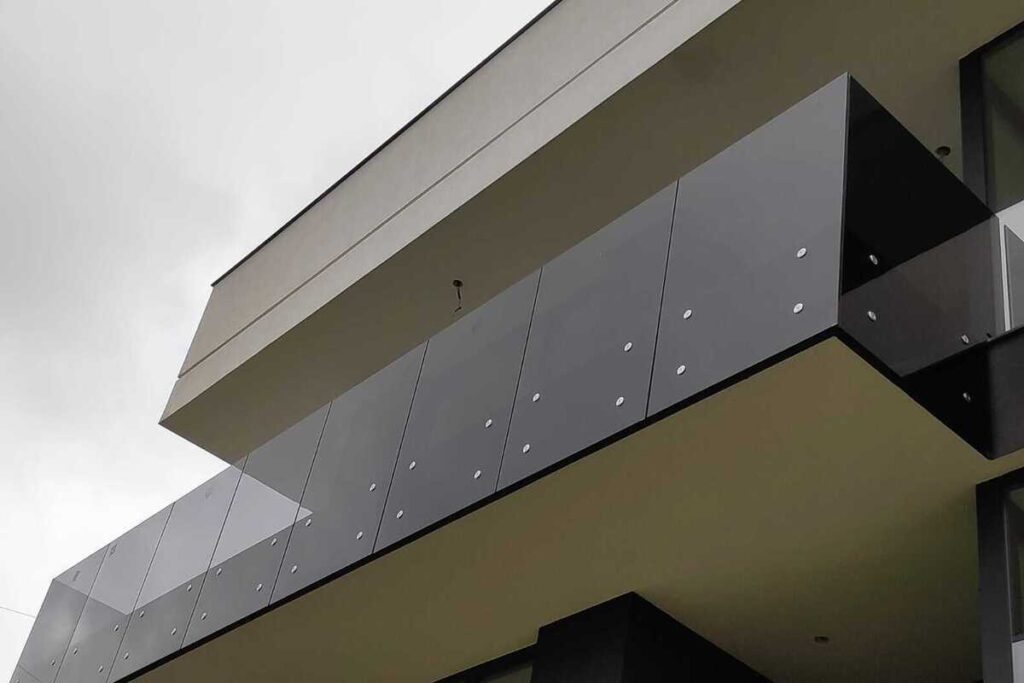
Integrating laminated glass into residential developments opens up creative opportunities for architects and developers focused on innovation. Ideal for contemporary projects, this solution redefines modern design standards. Learn which criteria and applications can guide you in effectively using laminated glass in your residential projects.
Laminated glass thickness
The thickness of laminated glass has a significant impact on the strength and stability of residential developments. The most commonly used method involves laminating two glass sheets, offering a reliable solution that meets modern performance requirements. Developers can adapt the material’s thickness (i.e., the number of glass layers) based on the structural specifications of each complex.
For projects with special requirements, the lamination process can include three, four, or even five glass sheets. These options are suitable for environments that demand higher durability, such as those exposed to extreme conditions. In most cases, the process also involves tempering the glass, enhancing its suitability for a wide variety of applications.
At Transparent Design, we offer lamination services using float glass sourced from trusted suppliers, which we tailor to meet the specific needs of each project. With advanced expertise and state-of-the-art equipment, we are prepared to deliver high-quality solutions through close collaboration.
Types of interlayer films used in lamination
Different types of films are used in the glass lamination process, each with specific characteristics. We primarily work with three types: EVA, PVB, and Sentry. Depending on the desired appearance, the interlayers can be transparent, matte, or colored, offering a wide range of customization options to fit your project.
The choice of interlayer film depends on the application, aesthetic requirements, environmental conditions, and technical specifications.
EVA interlayer film
EVA film is a popular option due to its adhesive properties and ease of processing. It is ideal for projects that require a fast and safe solution. This film creates a strong bond between glass layers, making it a practical choice for many applications.
One key advantage of EVA is its adaptability to humid environments, making it suitable for specific applications where moisture resistance is important. However, it is best suited for standard conditions and is not recommended for areas with prolonged exposure to extreme external factors. It is a great fit for projects prioritizing material reliability without the need for high-volume, high-speed production.
Additionally, laminated glass with EVA film can serve artistic purposes, incorporating textiles, prints, or natural elements like flowers, achieving distinct aesthetic effects.
PVB Interlayer Film
PVB film is known for its clarity and durability, making it widely used in residential projects. It offers a clean finish and seamless appearance, aligning perfectly with modern design standards. Its strong adhesion between layers ensures long-term performance.
This film can also provide acoustic insulation, helping to reduce ambient noise. Resistant to temperature fluctuations, PVB is adaptable to diverse environments. Projects that seek a balance between aesthetics and functionality benefit greatly from PVB-laminated glass.
For high-volume or large-format laminated glass needs, including JUMBO sheets up to 9000×3210 mm, Transparent Design has the capacity and equipment required to meet demanding production and delivery standards.
Sentry interlayer film
Sentry film is the optimal choice for residential applications that require enhanced resistance to external factors. It delivers increased structural stability and is a trusted solution for architects seeking high-performance materials. This film is often used in complex projects or harsh environments.
At Transparent Design, we process Sentry film using automated equipment that ensures consistent quality and high-performance outcomes. We hold Kuraray certification for Sentry film processing, guaranteeing compliance with the highest international standards.
Available sizes of laminated glass
Laminated glass dimensions are critical for customizing materials to suit large-scale residential projects. By processing oversized glass sheets, we unlock both creative and technical possibilities, supporting the construction of modern, functional structures.
At Transparent Design, we currently process JUMBO sheets up to 6000×3200 mm, especially using PVB or Sentry interlayers. Our high-capacity automated production line enables us to provide solutions that meet the technical requirements of projects involving expansive laminated glass surfaces.
We will put into operation, soon, a new lamination line capable of processing glass sheets up to 9000×3210 mm, a significant upgrade from our current 6000×3210 mm capacity. With this development, Transparent Design becomes the only company in Romania and one of the few in Europe equipped to handle glass at this size.
Applications of laminated glass in residential complexes
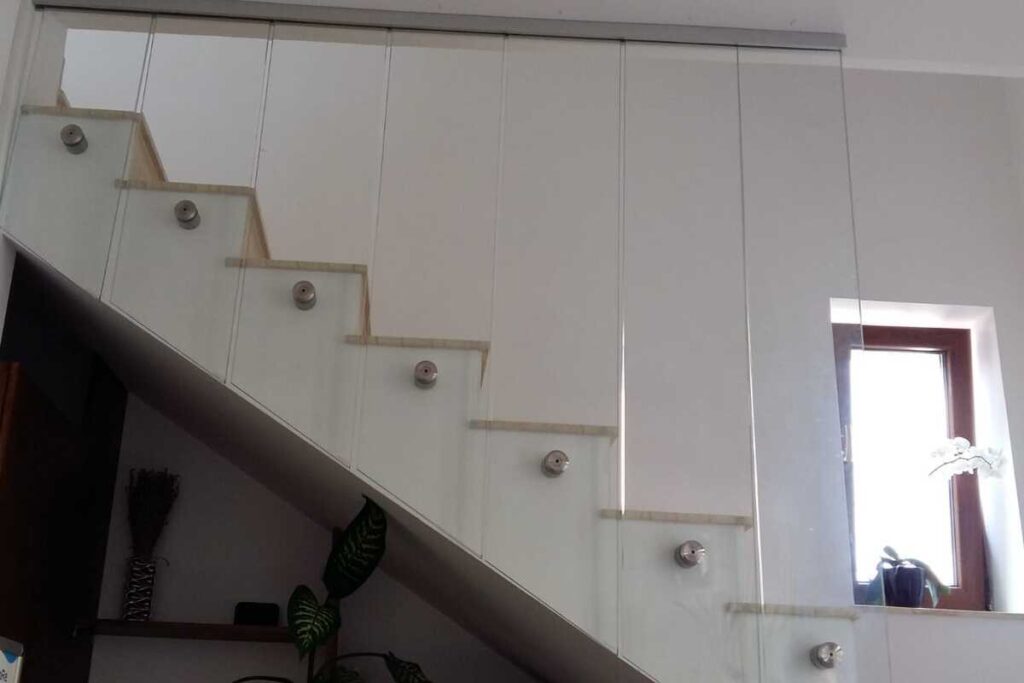
Laminated glass is a modern material widely used in residential developments due to its strength and adaptability to various technical and safety requirements. Often also tempered, laminated glass complies with regulations for user safety and building standards.
Its versatile applications make it a practical choice for architects aiming to create both functional and secure living environments. Key applications include:
Exterior balconies
Exterior balconies are among the most important use cases for laminated glass in residential complexes. Applicable regulations require materials that offer impact resistance, durability, and weather tolerance. Laminated and tempered glass provides the necessary protection for users while ensuring compliance with current safety standards.
Depending on the type of railing system and installation method, various factors can be customized, including glass thickness, number and type of interlayers, and edge finishing techniques.
Interior railings
Interior railings made of laminated and tempered glass add both safety and a contemporary aesthetic to residential spaces. Unlike exterior installations, these are not exposed to environmental conditions and can be configured differently.
The material provides the necessary structural strength for interior zoning while minimizing the risk of accidents. This contributes significantly to the overall safety and coherence of the development.
Staircases and access areas
Laminated and tempered glass is well-suited for staircases and access points within residential projects. It offers enhanced safety in high-traffic areas thanks to its robust composition. Combining functionality with a clean, modern appearance, it is an ideal solution for zones that require both resistance and design appeal.
Interior partitioning
The partitioning of interior spaces is efficiently achieved using laminated glass. It allows natural light to be preserved without compromising the functionality of the separated areas. This is a modern choice for architects who want to create open and well-organized spaces.
Laminated glass is a contemporary option that supports the architecture of residential complexes by offering safe and innovative solutions. Its use enables the creation of a modern design tailored to today’s requirements. Contact us to find the solutions that best meet your project’s needs!