


Tempered glass and Energy Efficiency: What you need to know for eco-friendly projects
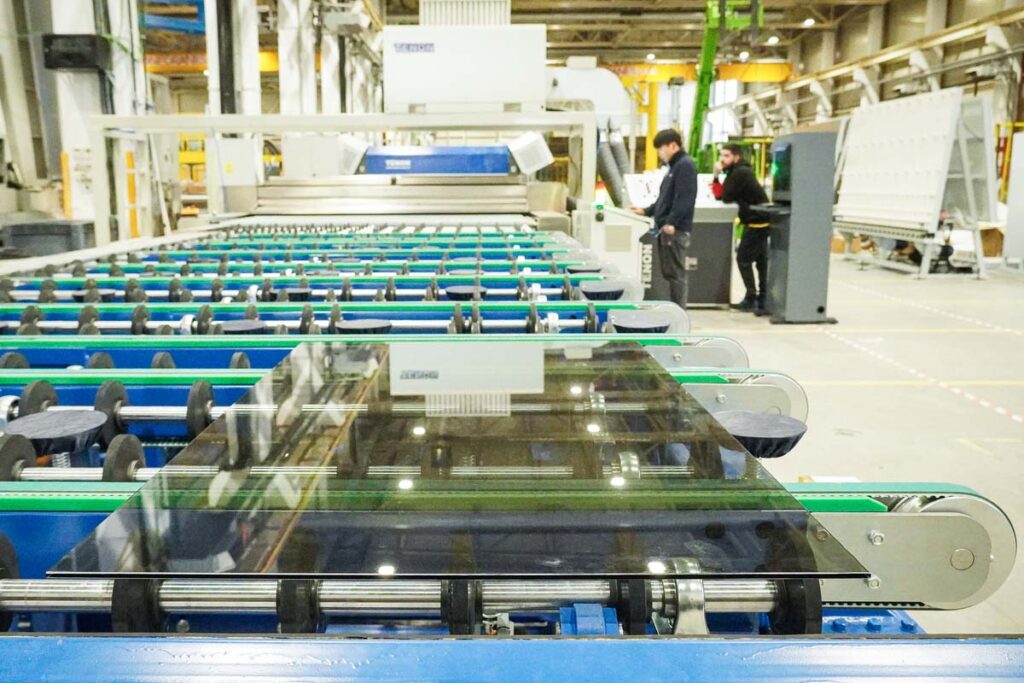
In the context of sustainable construction, tempered glass is becoming a material of interest for architects and developers. Its integration into non-residential spaces allows for the optimization of natural light and a reduction in resource consumption. Discover below the reasons why this material is worth considering for your future projects!
What is tempered glass and how does it contribute to energy efficiency?
Tempered glass is a material that offers increased safety and durability, making it ideal for a wide range of modern architectural projects. The tempering process involves heat-treating the glass to enhance its resistance to impact and temperature variations. At Transparent Design, we temper glass and tailor it to meet the specific needs of each project.
Tempered glass contributes to the energy efficiency of buildings through its ability to optimize the use of natural light. By reducing the reliance on artificial lighting, non-residential spaces can achieve long-term energy savings. It can also be combined with other technologies to help create buildings that align with eco-friendly principles.
The advantages of using tempered glass in eco-friendly projects
Tempered glass stands out due to its increased impact resistance, making it an ideal choice for eco-friendly non-residential projects. It can withstand significant external forces, reducing the risk of breakage and providing additional safety.
In the event of an accident, tempered glass shatters into small, blunt pieces, minimizing the danger to people nearby. These features make it a suitable option for buildings that require high safety standards. Additionally:
- One of the main advantages of tempered glass is its durability under temperature fluctuations and extreme weather conditions. It can withstand thermal stress without deteriorating, maintaining its structural integrity over time. In non-residential environments, this is essential for applications exposed to constant sunlight, rain, or wind. As a result, using tempered glass helps reduce the need for frequent replacement, optimizing resources in large-scale projects.
- The insulating properties of some tempered glass support the creation of more sustainable buildings. When combined with thermal control technologies, it helps reduce internal energy loss. This allows non-residential spaces to be designed with lower energy consumption in mind.
- Another important factor is the transparency of tempered glass, which allows for optimal use of natural light. This benefit reduces the need for artificial lighting and decreases electricity consumption. In non-residential spaces such as offices or commercial buildings, integrating tempered glass can improve user experience by creating brighter and more pleasant environments.
The role of tempered glass in reducing energy loss
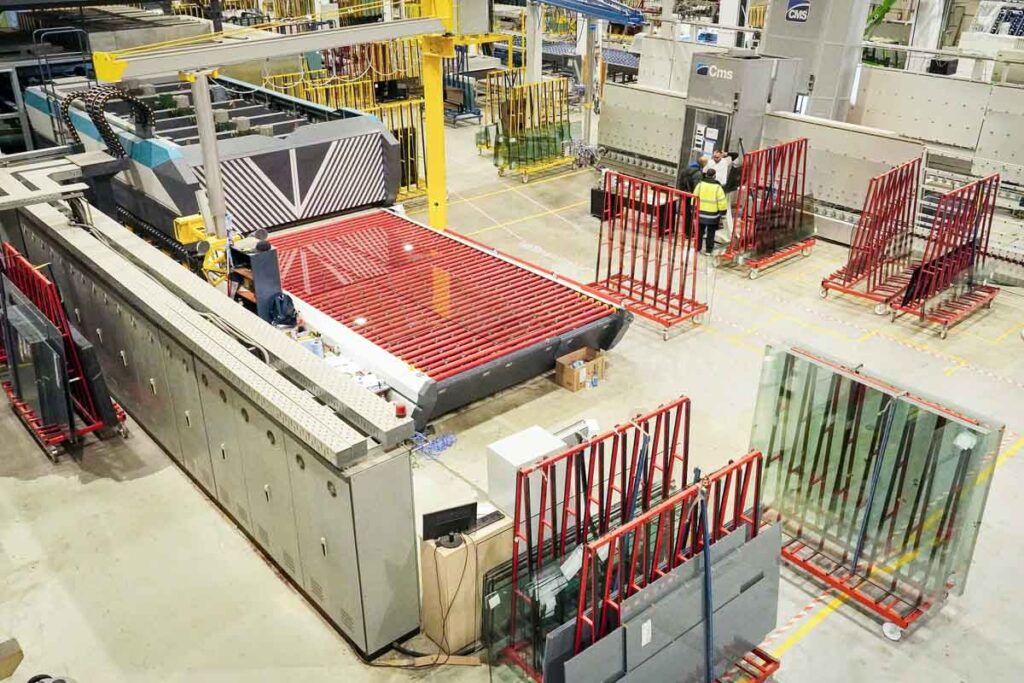
Tempered glass can be used in insulating glass units, contributing to reduced energy loss and improved energy efficiency in buildings. The tempering process gives the glass high structural strength, allowing it to be used in complex applications such as double or triple glazed façades, low-emissivity (Low-E) glass, or special coatings with Low-E film. These configurations help reduce thermal transfer between the interior and exterior of buildings, minimizing energy loss.
Glass can be treated with reflective or solar control coatings before tempering, resulting in a product that optimizes temperature management while offering enhanced safety. The coatings applied to the glass surface reduce infrared radiation and thus heat loss from inside the building. At the same time, these coatings allow natural light to pass through, reducing the need for artificial lighting and lowering electricity consumption.
It is important to note that not every technical process or solar control/reflective glass treatment is compatible with subsequent tempering. Moreover, not all tempering technologies or procedures are appropriate, as they may damage the performance of the coating or film. This is why tempering should be carried out by a processor approved by the glass manufacturer for such coated glass.
Transparent Design is an approved processor of the Pilkington Suncool™ Pro T range, a series of temperable off-line coated glass products that offer superior solar control and high thermal insulation when used as components in insulating glass units (IGUs).
Its technical properties allow integration into ventilated façade systems or selectively transparent roofing applications, reducing energy loss without compromising on design.
Applications of tempered glass in sustainable non-residential construction
Glass can be digitally printed with ceramic ink to meet the aesthetic requirements of the desired design and then tempered. Once printed and tempered, the glass gains enhanced resistance to scratches, UV rays, and temperature variations.
Tempered glass can be used in a wide range of applications, such as:
Tempered glass railings
Tempered glass railings are commonly used in office buildings and shopping centers due to the strength and transparency they offer. In office buildings, they are ideal for indoor staircases, balconies, or relaxation areas, ensuring safety for employees and visitors.
In shopping centers, they are perfect for multi-level structures, providing visibility across different areas. Their ability to break into small, blunt fragments in case of impact helps protect people in high-traffic areas.
Depending on project requirements and safety regulations, laminated and then tempered glass is typically used for railings.
Glass stairs and flooring
Tempered glass stairs and floors are creative solutions found in various non-residential spaces, such as modern museums or exhibition halls. These elements are generally designed using laminated glass that is subsequently tempered. Once glass is tempered, no further processing, such as cutting, shaping, or laminating, can be performed, so all finishing and sizing must be done beforehand.
Glass floors can be used to create transparent zones that offer a unique view of displays located below.
Anti-slip treatments ensure user safety, regardless of environmental conditions. Glass stairs can be used to highlight architectural details or to emphasize specific circulation paths.
Tempered glass façades
Tempered glass façades are popular solutions for many public spaces, such as:
• In office buildings, they allow natural light to enter, reducing the need for artificial lighting and enhancing occupant comfort;
• In wellness centers, glass façades create a visual connection to nature, offering clients a relaxing experience;
• In libraries or conference halls, tempered glass façades improve access to daylight and increase the visual appeal of the space.
Tempered glass partitions
Tempered glass partitions are widely used in offices and commercial storefronts. In office settings, they efficiently separate work areas, meeting rooms, or shared spaces without blocking natural light. In store windows, they allow attractive product displays while ensuring protection.
Choosing tempered glass for non-residential buildings gives you the opportunity to contribute to sustainability and modern design. Its use opens new perspectives for optimizing space and reducing environmental impact. So, if you’re an architect or developer, you can bring your project vision to life through tempered glass solutions that align with sustainable design principles.